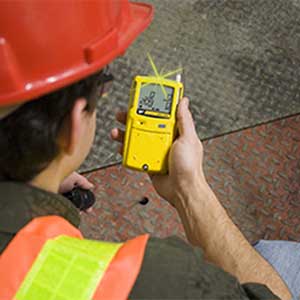
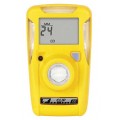
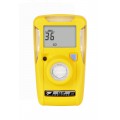
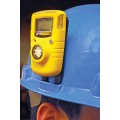
BW Clip Détecteur H2S série de gaz unique, 0 à 100 ppm, 3 ans

Modèle: BWC3-H

BW Clip Détecteur H<sub>2</sub>S série de gaz unique, 0 à 100 ppm, 3 ans-

L'image est pour référence seulement, référez-vous à l'information sur le produit pour tous les détails.


Télécharger: datasheet

Plus de produits BW

Demander à un expert

BW Clip Détecteur H2S série de gaz unique, 0 à 100 ppm, 3 ans

Modèle: BWC3-H

Fonctionnant sans entretien jusqu’à trois ans, ce détecteur à gaz unique est votre compagnon de tous les jours pour les environnements dangereux. Fiable, ce détecteur permet aux utilisateurs d’enregistrer les 35 événements de gaz les plus récents et les résultats des tests fonctionnels, et est compatible avec les systèmes de gestion MicroDock et IntelliDoX.

Fonctionnant sans entretien jusqu’à trois ans, ce détecteur à gaz unique est votre compagnon de tous les jours pour les environnements dangereux. Fiable, ce détecteur permet aux utilisateurs d’enregistrer les 35 événements de gaz les plus récents et les résultats des tests fonctionnels, et est compatible avec les systèmes de gestion MicroDock et IntelliDoX.

Prix spécial $261.27 CAD
Prix régulier $327.00 CAD
Disponibilité 7 à 8 semaines
Quantité

BW BWC3-H offre

  • Conçu pour une gamme d'environnements difficiles et des températures extrêmes
  • Test automatique de la pile, du capteur et de l'électronique
  • Flash grand-angle avertissant simultanément avec alarme sonore et à vibration
  • Enregistrement automatique des 35 événements de gaz les plus récents et les résultats de test de la résistance aux chocs
  • Compatible avec MicroDock II et le logiciel Fleet Manager II
  • Configuration de points de consigne d'alarme haute et basse avant l'activation de l'appareil
  • Réglage des points de consigne d'alarme et d'autres paramètres au besoin tout au long de la durée de vie
  • Option pour activer l'indicateur de non-conformité, qui clignote rouge quand un test de résistance au choc est nécessaire ou qu'un événement de gaz se produit
  • Identification facile des gaz avec des étiquettes chromacodées et un indicateur à DEL
  • SurecellMC: Conception unique du capteur de réservoir double améliorant considérablement les performances de l'instrument, le temps de réponse, et la longévité par rapport aux capteurs électrochimiques traditionnels et offre une performance de l'instrument fiable dans les conditions environnementales les plus difficiles
  • Technologie ReflexMC: Fonction automatisée de test automatique vérifiant de façon régulière l'état de fonctionnement du capteur pour augmenter la sécurité, le temps de disponibilité et la confiance générale des travailleurs
  • Journalisation des 35 événements les plus récents
  • Protection d'entrée IP66 / 67
  • Autonomie de la batterie s'étend de 24 mois jusqu'à 36 mois avec l'étui d'hibernation disponible en option

Spécifications pour le BW BWC3-H

Gamme de pression 0 à 725 psi; -100 à 5000 kPa; -0.1 à 5 MPa; -1 à 50 bar
Résolution 0.1 psi; 1 kPa; 0.001 MPa; 0.01 bar
Précision ±0.5% p.é. 
Gamme de température -58° à 302°F; -50 à 150°C
Résolution 0.1°F; 0.1°C
Précision ±1.0°F; ±1.0°C 
Gamme de vide (rel) -14.5 à 0 psi
Résolution 1hPa; 0.5Torr; 0.5"H2O; 100Pa; 500µ;1mbar
No. de réfrigérants 40
Réfrigérants détectés R12, R22, R123, R134a, R227, R290, R401A,  R401B, R402A, R402B, R404A, R406A, R407A,  R407C, R408A, R409A, R410A, R411A, R413A,  R414B, R416A, R417A, R420A, R421A, R421B,  R422A, R422B, 422D, R424A, R427A, R434A,  R437A, R438A, R502, R503, R507, R600, R600a,  R744, R1234yfR
Médias mesurables CFC, HFC, N, H2O, CO2
Dimensions/Poids 11 x 5.25 x 3"/2.6 lb 
Cliquer ici pour toutes les spécifications du BW BWC3-H

BW BWC3-H comprend

  • Détecteur H2S, 3 ans, alarmes 10 & 15ppm
  • Capteur spécifié
  • Pince crocodile en acier inoxydable
  • Boîtier antichoc
  • Bouchon de test
  • Instructions

How to Select the Right Gas Detection Solution

by Don Galman

There are many gas detection products on the market that might appear to be the same, but a closer inspection of specification, functionality and features reveals major differences in what products can do and the potential value they can offer. Similarly, individual applications are also unique in their respective designs, needs and processes undertaken.

Know your site risks

Before beginning to consider gas detection equipment, a risk assessment needs to be conducted. Any company employing staff has the obligation to conduct risk assessments to identify potential hazards and these can include potential gas, vapor or Oxygen deficiency risks. If gas hazards are identified, gas detection is applicable as a risk reduction method.

Identifying the prime objective

Depending on the processes being undertaken and the gases being detected, remote or off-site alarm notification plus event data logging/reporting may also be required for Health and Safety management records. Another factor impacting on the need for enhanced reporting functions might be regulatory compliance or a condition of insurance.

Ask the right questions

Having identified the primary objective, the suitable equipment is selected by asking a number of key questions. These fall into three broad categories:

  • The gases to be detected and where they may come from
  • The location and environmental conditions where detection is to take place
  • The ease of use for operators and routine servicing personnel
Identify the gases to be detected and where they may come from

The gases to be detected should be identified by the risk assessment, however experienced gas detection equipment manufacturers and their approved distributors are often able to help in this process, based on their experience of similar applications. However, it is important to remember that it is the end-user’s responsibility to identify all potential hazards. It is also essential to identify the potential source of a gas release as this helps determine the number and location of detectors required for a fixed gas detection system.

Consider the environmental conditions

The performance, accuracy and reliability of any gas detection equipment will be affected by the environmental conditions it is subjected to. Temperature, humidity and pressure levels at the location all have a direct bearing on the type of equipment that should be selected. Additional factors such as potential variations resulting from a production process itself, diurnal/nocturnal fluctuations and seasonal changes may also affect the type of device which is suitable.

Understand product functionality

The next area of consideration relates to additional product functionality. Aspects like wiring configuration are important, especially when retro-fitting into an existing application. If the apparatus is being integrated into a separate safety system, certain communication protocols may also be required such as HART®, Lonworks or Modbus®. Consideration will also need to be given regarding the requirement for local displays on transmitter units and local configuration of the unit and gas displays may also be a useful addition.

Measure the ease of use for operators and routine servicing personnel

Routine maintenance is another important consideration. Some gases and vapors can be detected with a number of different sensing technologies, e.g. Hydrocarbon gases with catalytic beads or Non-dispersive Infrared NDIR. Catalytic beads do not provide fail-to-safety operation and therefore can require a high frequency of routine maintenance, however NDIR based solutions tend to have a higher initial purchase price, but may require less routine maintenance. In-house resource to undertake such routine maintenance needs to be identified and in the absence of such a resource, budgeting for third party maintenance is an important factor in selecting the right equipment.


Need Help Selecting the Right Solution?

If you have questions about any of our gas detection products or services, please don’t hesitate to contact us. Whether you need a hand finding a new product or need help with your current system, just ask our team of Factory Trained Experts.


How to Select the Right Gas Detection Solution

by Don Galman

There are many gas detection products on the market that might appear to be the same, but a closer inspection of specification, functionality and features reveals major differences in what products can do and the potential value they can offer. Similarly, individual applications are also unique in their respective designs, needs and processes undertaken.

Know your site risks

Before beginning to consider gas detection equipment, a risk assessment needs to be conducted. Any company employing staff has the obligation to conduct risk assessments to identify potential hazards and these can include potential gas, vapor or Oxygen deficiency risks. If gas hazards are identified, gas detection is applicable as a risk reduction method.

Identifying the prime objective

Depending on the processes being undertaken and the gases being detected, remote or off-site alarm notification plus event data logging/reporting may also be required for Health and Safety management records. Another factor impacting on the need for enhanced reporting functions might be regulatory compliance or a condition of insurance.

Ask the right questions

Having identified the primary objective, the suitable equipment is selected by asking a number of key questions. These fall into three broad categories:

  • The gases to be detected and where they may come from
  • The location and environmental conditions where detection is to take place
  • The ease of use for operators and routine servicing personnel
Identify the gases to be detected and where they may come from

The gases to be detected should be identified by the risk assessment, however experienced gas detection equipment manufacturers and their approved distributors are often able to help in this process, based on their experience of similar applications. However, it is important to remember that it is the end-user’s responsibility to identify all potential hazards. It is also essential to identify the potential source of a gas release as this helps determine the number and location of detectors required for a fixed gas detection system.

Consider the environmental conditions

The performance, accuracy and reliability of any gas detection equipment will be affected by the environmental conditions it is subjected to. Temperature, humidity and pressure levels at the location all have a direct bearing on the type of equipment that should be selected. Additional factors such as potential variations resulting from a production process itself, diurnal/nocturnal fluctuations and seasonal changes may also affect the type of device which is suitable.

Understand product functionality

The next area of consideration relates to additional product functionality. Aspects like wiring configuration are important, especially when retro-fitting into an existing application. If the apparatus is being integrated into a separate safety system, certain communication protocols may also be required such as HART®, Lonworks or Modbus®. Consideration will also need to be given regarding the requirement for local displays on transmitter units and local configuration of the unit and gas displays may also be a useful addition.

Measure the ease of use for operators and routine servicing personnel

Routine maintenance is another important consideration. Some gases and vapors can be detected with a number of different sensing technologies, e.g. Hydrocarbon gases with catalytic beads or Non-dispersive Infrared NDIR. Catalytic beads do not provide fail-to-safety operation and therefore can require a high frequency of routine maintenance, however NDIR based solutions tend to have a higher initial purchase price, but may require less routine maintenance. In-house resource to undertake such routine maintenance needs to be identified and in the absence of such a resource, budgeting for third party maintenance is an important factor in selecting the right equipment.


Need Help Selecting the Right Solution?

If you have questions about any of our gas detection products or services, please don’t hesitate to contact us. Whether you need a hand finding a new product or need help with your current system, just ask our team of Factory Trained Experts.


How to Select the Right Gas Detection Solution

by Don Galman

There are many gas detection products on the market that might appear to be the same, but a closer inspection of specification, functionality and features reveals major differences in what products can do and the potential value they can offer. Similarly, individual applications are also unique in their respective designs, needs and processes undertaken.

Know your site risks

Before beginning to consider gas detection equipment, a risk assessment needs to be conducted. Any company employing staff has the obligation to conduct risk assessments to identify potential hazards and these can include potential gas, vapor or Oxygen deficiency risks. If gas hazards are identified, gas detection is applicable as a risk reduction method.

Identifying the prime objective

Depending on the processes being undertaken and the gases being detected, remote or off-site alarm notification plus event data logging/reporting may also be required for Health and Safety management records. Another factor impacting on the need for enhanced reporting functions might be regulatory compliance or a condition of insurance.

Ask the right questions

Having identified the primary objective, the suitable equipment is selected by asking a number of key questions. These fall into three broad categories:

  • The gases to be detected and where they may come from
  • The location and environmental conditions where detection is to take place
  • The ease of use for operators and routine servicing personnel
Identify the gases to be detected and where they may come from

The gases to be detected should be identified by the risk assessment, however experienced gas detection equipment manufacturers and their approved distributors are often able to help in this process, based on their experience of similar applications. However, it is important to remember that it is the end-user’s responsibility to identify all potential hazards. It is also essential to identify the potential source of a gas release as this helps determine the number and location of detectors required for a fixed gas detection system.

Consider the environmental conditions

The performance, accuracy and reliability of any gas detection equipment will be affected by the environmental conditions it is subjected to. Temperature, humidity and pressure levels at the location all have a direct bearing on the type of equipment that should be selected. Additional factors such as potential variations resulting from a production process itself, diurnal/nocturnal fluctuations and seasonal changes may also affect the type of device which is suitable.

Understand product functionality

The next area of consideration relates to additional product functionality. Aspects like wiring configuration are important, especially when retro-fitting into an existing application. If the apparatus is being integrated into a separate safety system, certain communication protocols may also be required such as HART®, Lonworks or Modbus®. Consideration will also need to be given regarding the requirement for local displays on transmitter units and local configuration of the unit and gas displays may also be a useful addition.

Measure the ease of use for operators and routine servicing personnel

Routine maintenance is another important consideration. Some gases and vapors can be detected with a number of different sensing technologies, e.g. Hydrocarbon gases with catalytic beads or Non-dispersive Infrared NDIR. Catalytic beads do not provide fail-to-safety operation and therefore can require a high frequency of routine maintenance, however NDIR based solutions tend to have a higher initial purchase price, but may require less routine maintenance. In-house resource to undertake such routine maintenance needs to be identified and in the absence of such a resource, budgeting for third party maintenance is an important factor in selecting the right equipment.


Need Help Selecting the Right Solution?

If you have questions about any of our gas detection products or services, please don’t hesitate to contact us. Whether you need a hand finding a new product or need help with your current system, just ask our team of Factory Trained Experts.


How to Select the Right Gas Detection Solution

by Don Galman

There are many gas detection products on the market that might appear to be the same, but a closer inspection of specification, functionality and features reveals major differences in what products can do and the potential value they can offer. Similarly, individual applications are also unique in their respective designs, needs and processes undertaken.

Know your site risks

Before beginning to consider gas detection equipment, a risk assessment needs to be conducted. Any company employing staff has the obligation to conduct risk assessments to identify potential hazards and these can include potential gas, vapor or Oxygen deficiency risks. If gas hazards are identified, gas detection is applicable as a risk reduction method.

Identifying the prime objective

Depending on the processes being undertaken and the gases being detected, remote or off-site alarm notification plus event data logging/reporting may also be required for Health and Safety management records. Another factor impacting on the need for enhanced reporting functions might be regulatory compliance or a condition of insurance.

Ask the right questions

Having identified the primary objective, the suitable equipment is selected by asking a number of key questions. These fall into three broad categories:

  • The gases to be detected and where they may come from
  • The location and environmental conditions where detection is to take place
  • The ease of use for operators and routine servicing personnel
Identify the gases to be detected and where they may come from

The gases to be detected should be identified by the risk assessment, however experienced gas detection equipment manufacturers and their approved distributors are often able to help in this process, based on their experience of similar applications. However, it is important to remember that it is the end-user’s responsibility to identify all potential hazards. It is also essential to identify the potential source of a gas release as this helps determine the number and location of detectors required for a fixed gas detection system.

Consider the environmental conditions

The performance, accuracy and reliability of any gas detection equipment will be affected by the environmental conditions it is subjected to. Temperature, humidity and pressure levels at the location all have a direct bearing on the type of equipment that should be selected. Additional factors such as potential variations resulting from a production process itself, diurnal/nocturnal fluctuations and seasonal changes may also affect the type of device which is suitable.

Understand product functionality

The next area of consideration relates to additional product functionality. Aspects like wiring configuration are important, especially when retro-fitting into an existing application. If the apparatus is being integrated into a separate safety system, certain communication protocols may also be required such as HART®, Lonworks or Modbus®. Consideration will also need to be given regarding the requirement for local displays on transmitter units and local configuration of the unit and gas displays may also be a useful addition.

Measure the ease of use for operators and routine servicing personnel

Routine maintenance is another important consideration. Some gases and vapors can be detected with a number of different sensing technologies, e.g. Hydrocarbon gases with catalytic beads or Non-dispersive Infrared NDIR. Catalytic beads do not provide fail-to-safety operation and therefore can require a high frequency of routine maintenance, however NDIR based solutions tend to have a higher initial purchase price, but may require less routine maintenance. In-house resource to undertake such routine maintenance needs to be identified and in the absence of such a resource, budgeting for third party maintenance is an important factor in selecting the right equipment.


Need Help Selecting the Right Solution?

If you have questions about any of our gas detection products or services, please don’t hesitate to contact us. Whether you need a hand finding a new product or need help with your current system, just ask our team of Factory Trained Experts.


How to: Calibrate a BW Gas Detector

How to: Bump Test a BW Gas Detector

Meet Shauna Park: Our Gas Detection Expert

Cliquer sur une catégorie pour voir une sélection d'accessoires compatible avec le BW Clip Détecteur H2S série de gaz unique, 0 à 100 ppm, 3 ans.

BW Clip Détecteur H2 série de gaz unique avec affichage en temps reacute;el, 0 à 100 ppm, 2 ans BWC2R-H
Fonctionnant sans entretien jusqu’à trois ans, ce détecteur à gaz unique est votre compagnon de tous les jours pour les environnements dangereux. Fiable, ce détecteur permet aux utilisateurs d’enregistrer les 35 événements de gaz les plus récents et les résultats des tests fonctionnels, et est compatible avec les systèmes de gestion MicroDock et IntelliDoX.


BW Clip Détecteur CO série de gaz unique, 0 à 300 ppm BWC2-M50200
Fonctionnant sans entretien jusqu’à trois ans, ce détecteur à gaz unique est votre compagnon de tous les jours pour les environnements dangereux. Fiable, ce détecteur permet aux utilisateurs d’enregistrer les 35 événements de gaz les plus récents et les résultats des tests fonctionnels, et est compatible avec les systèmes de gestion MicroDock et IntelliDoX.


BW Clip Détecteur SO2 série de gaz unique BW, 0 à 100 ppm, 2 ans BWC2-S
Fonctionnant sans entretien jusqu’à trois ans, ce détecteur à gaz unique est votre compagnon de tous les jours pour les environnements dangereux. Fiable, ce détecteur permet aux utilisateurs d’enregistrer les 35 événements de gaz les plus récents et les résultats des tests fonctionnels, et est compatible avec les systèmes de gestion MicroDock et IntelliDoX.


BW Clip Détecteur O2 série de gaz unique, 0 à 100 ppm, 2 ans BWC2-X
Fonctionnant sans entretien jusqu’à trois ans, ce détecteur à gaz unique est votre compagnon de tous les jours pour les environnements dangereux. Fiable, ce détecteur permet aux utilisateurs d’enregistrer les 35 événements de gaz les plus récents et les résultats des tests fonctionnels, et est compatible avec les systèmes de gestion MicroDock et IntelliDoX.


BW Clip Détecteur CO série de gaz unique, 0 à 300 ppm, 2 ans BWC2-M
Fonctionnant sans entretien jusqu’à trois ans, ce détecteur à gaz unique est votre compagnon de tous les jours pour les environnements dangereux. Fiable, ce détecteur permet aux utilisateurs d’enregistrer les 35 événements de gaz les plus récents et les résultats des tests fonctionnels, et est compatible avec les systèmes de gestion MicroDock et IntelliDoX.


BW Clip Détecteur CO série de gaz unique avec affichage en temps réel, 0 à 300 ppm, 2 ans BWC2R-M
Fonctionnant sans entretien jusqu’à trois ans, ce détecteur à gaz unique est votre compagnon de tous les jours pour les environnements dangereux. Fiable, ce détecteur permet aux utilisateurs d’enregistrer les 35 événements de gaz les plus récents et les résultats des tests fonctionnels, et est compatible avec les systèmes de gestion MicroDock et IntelliDoX.


BW GA-LY-1 Short Strap for GasAlert, 6in (15.2cm) GA-LY-1
The short strap (6 in. / 15.2 cm) facilitates the attachment of your gas detector to your clothing or personal protective equipment (PPE). The smaller loop attaches to buttons or other fasteners.


BW CLIPHB-CASE étui d'hibernation ClipHB-Case
Hibernation case for two year H2S and CO models. Capable of extending the life-span of 24 month BW Clips by up to 12 months.


BW GA-HC-1 Hard Hat Clip for GasAlert, Non-Conductive GA-HC-1
Hard hat clip made out of non-conductive materials. For use with GasAlert Gas Detectors.
Note: Unit and hard hat not included.


BW PS-RH04S Capteur de remplacement, sulfide d'hydrogène (H2S) PS-RH04S
The H2S low methanol sensor is now the standard sensor in all portable instruments that use an H2S sensor. This does not apply to COSH sensors. The H2S low methanol sensors feature a reduced cross sensitivity to methanol. Environments with background levels of alcohols or organic vapors will not affect hydrogen sulfide readings.


BW DX-CLIP Modules d'accueil & logiciels IntelliDox DX-CLIP
Système IntelliDoX combinant les modules d'accueil à puce et le logiciel Fleet Manager II pour assurer la gestion de l'instrument automatisé pour le clip BW. Placez le clip BW dans le module d'accueil et il teste automatiquement le détecteur et les capteurs de gaz pendant le transfert des données à la station d'accueil.


Poser une question sur le BW Clip Détecteur H2S série de gaz unique, 0 à 100 ppm, 3 ans

BW BWC3-H offre

  • Conçu pour une gamme d'environnements difficiles et des températures extrêmes
  • Test automatique de la pile, du capteur et de l'électronique
  • Flash grand-angle avertissant simultanément avec alarme sonore et à vibration
  • Enregistrement automatique des 35 événements de gaz les plus récents et les résultats de test de la résistance aux chocs
  • Compatible avec MicroDock II et le logiciel Fleet Manager II
  • Configuration de points de consigne d'alarme haute et basse avant l'activation de l'appareil
  • Réglage des points de consigne d'alarme et d'autres paramètres au besoin tout au long de la durée de vie
  • Option pour activer l'indicateur de non-conformité, qui clignote rouge quand un test de résistance au choc est nécessaire ou qu'un événement de gaz se produit
  • Identification facile des gaz avec des étiquettes chromacodées et un indicateur à DEL
  • SurecellMC: Conception unique du capteur de réservoir double améliorant considérablement les performances de l'instrument, le temps de réponse, et la longévité par rapport aux capteurs électrochimiques traditionnels et offre une performance de l'instrument fiable dans les conditions environnementales les plus difficiles
  • Technologie ReflexMC: Fonction automatisée de test automatique vérifiant de façon régulière l'état de fonctionnement du capteur pour augmenter la sécurité, le temps de disponibilité et la confiance générale des travailleurs
  • Journalisation des 35 événements les plus récents
  • Protection d'entrée IP66 / 67
  • Autonomie de la batterie s'étend de 24 mois jusqu'à 36 mois avec l'étui d'hibernation disponible en option

Spécifications pour le BW BWC3-H

Gamme de pression 0 à 725 psi; -100 à 5000 kPa; -0.1 à 5 MPa; -1 à 50 bar
Résolution 0.1 psi; 1 kPa; 0.001 MPa; 0.01 bar
Précision ±0.5% p.é. 
Gamme de température -58° à 302°F; -50 à 150°C
Résolution 0.1°F; 0.1°C
Précision ±1.0°F; ±1.0°C 
Gamme de vide (rel) -14.5 à 0 psi
Résolution 1hPa; 0.5Torr; 0.5"H2O; 100Pa; 500µ;1mbar
No. de réfrigérants 40
Réfrigérants détectés R12, R22, R123, R134a, R227, R290, R401A,  R401B, R402A, R402B, R404A, R406A, R407A,  R407C, R408A, R409A, R410A, R411A, R413A,  R414B, R416A, R417A, R420A, R421A, R421B,  R422A, R422B, 422D, R424A, R427A, R434A,  R437A, R438A, R502, R503, R507, R600, R600a,  R744, R1234yfR
Médias mesurables CFC, HFC, N, H2O, CO2
Dimensions/Poids 11 x 5.25 x 3"/2.6 lb 
Cliquer ici pour toutes les spécifications du BW BWC3-H

BW BWC3-H comprend

  • Détecteur H2S, 3 ans, alarmes 10 & 15ppm
  • Capteur spécifié
  • Pince crocodile en acier inoxydable
  • Boîtier antichoc
  • Bouchon de test
  • Instructions

How to Select the Right Gas Detection Solution

by Don Galman

There are many gas detection products on the market that might appear to be the same, but a closer inspection of specification, functionality and features reveals major differences in what products can do and the potential value they can offer. Similarly, individual applications are also unique in their respective designs, needs and processes undertaken.

Know your site risks

Before beginning to consider gas detection equipment, a risk assessment needs to be conducted. Any company employing staff has the obligation to conduct risk assessments to identify potential hazards and these can include potential gas, vapor or Oxygen deficiency risks. If gas hazards are identified, gas detection is applicable as a risk reduction method.

Identifying the prime objective

Depending on the processes being undertaken and the gases being detected, remote or off-site alarm notification plus event data logging/reporting may also be required for Health and Safety management records. Another factor impacting on the need for enhanced reporting functions might be regulatory compliance or a condition of insurance.

Ask the right questions

Having identified the primary objective, the suitable equipment is selected by asking a number of key questions. These fall into three broad categories:

  • The gases to be detected and where they may come from
  • The location and environmental conditions where detection is to take place
  • The ease of use for operators and routine servicing personnel
Identify the gases to be detected and where they may come from

The gases to be detected should be identified by the risk assessment, however experienced gas detection equipment manufacturers and their approved distributors are often able to help in this process, based on their experience of similar applications. However, it is important to remember that it is the end-user’s responsibility to identify all potential hazards. It is also essential to identify the potential source of a gas release as this helps determine the number and location of detectors required for a fixed gas detection system.

Consider the environmental conditions

The performance, accuracy and reliability of any gas detection equipment will be affected by the environmental conditions it is subjected to. Temperature, humidity and pressure levels at the location all have a direct bearing on the type of equipment that should be selected. Additional factors such as potential variations resulting from a production process itself, diurnal/nocturnal fluctuations and seasonal changes may also affect the type of device which is suitable.

Understand product functionality

The next area of consideration relates to additional product functionality. Aspects like wiring configuration are important, especially when retro-fitting into an existing application. If the apparatus is being integrated into a separate safety system, certain communication protocols may also be required such as HART®, Lonworks or Modbus®. Consideration will also need to be given regarding the requirement for local displays on transmitter units and local configuration of the unit and gas displays may also be a useful addition.

Measure the ease of use for operators and routine servicing personnel

Routine maintenance is another important consideration. Some gases and vapors can be detected with a number of different sensing technologies, e.g. Hydrocarbon gases with catalytic beads or Non-dispersive Infrared NDIR. Catalytic beads do not provide fail-to-safety operation and therefore can require a high frequency of routine maintenance, however NDIR based solutions tend to have a higher initial purchase price, but may require less routine maintenance. In-house resource to undertake such routine maintenance needs to be identified and in the absence of such a resource, budgeting for third party maintenance is an important factor in selecting the right equipment.


Need Help Selecting the Right Solution?

If you have questions about any of our gas detection products or services, please don’t hesitate to contact us. Whether you need a hand finding a new product or need help with your current system, just ask our team of Factory Trained Experts.


How to Select the Right Gas Detection Solution

by Don Galman

There are many gas detection products on the market that might appear to be the same, but a closer inspection of specification, functionality and features reveals major differences in what products can do and the potential value they can offer. Similarly, individual applications are also unique in their respective designs, needs and processes undertaken.

Know your site risks

Before beginning to consider gas detection equipment, a risk assessment needs to be conducted. Any company employing staff has the obligation to conduct risk assessments to identify potential hazards and these can include potential gas, vapor or Oxygen deficiency risks. If gas hazards are identified, gas detection is applicable as a risk reduction method.

Identifying the prime objective

Depending on the processes being undertaken and the gases being detected, remote or off-site alarm notification plus event data logging/reporting may also be required for Health and Safety management records. Another factor impacting on the need for enhanced reporting functions might be regulatory compliance or a condition of insurance.

Ask the right questions

Having identified the primary objective, the suitable equipment is selected by asking a number of key questions. These fall into three broad categories:

  • The gases to be detected and where they may come from
  • The location and environmental conditions where detection is to take place
  • The ease of use for operators and routine servicing personnel
Identify the gases to be detected and where they may come from

The gases to be detected should be identified by the risk assessment, however experienced gas detection equipment manufacturers and their approved distributors are often able to help in this process, based on their experience of similar applications. However, it is important to remember that it is the end-user’s responsibility to identify all potential hazards. It is also essential to identify the potential source of a gas release as this helps determine the number and location of detectors required for a fixed gas detection system.

Consider the environmental conditions

The performance, accuracy and reliability of any gas detection equipment will be affected by the environmental conditions it is subjected to. Temperature, humidity and pressure levels at the location all have a direct bearing on the type of equipment that should be selected. Additional factors such as potential variations resulting from a production process itself, diurnal/nocturnal fluctuations and seasonal changes may also affect the type of device which is suitable.

Understand product functionality

The next area of consideration relates to additional product functionality. Aspects like wiring configuration are important, especially when retro-fitting into an existing application. If the apparatus is being integrated into a separate safety system, certain communication protocols may also be required such as HART®, Lonworks or Modbus®. Consideration will also need to be given regarding the requirement for local displays on transmitter units and local configuration of the unit and gas displays may also be a useful addition.

Measure the ease of use for operators and routine servicing personnel

Routine maintenance is another important consideration. Some gases and vapors can be detected with a number of different sensing technologies, e.g. Hydrocarbon gases with catalytic beads or Non-dispersive Infrared NDIR. Catalytic beads do not provide fail-to-safety operation and therefore can require a high frequency of routine maintenance, however NDIR based solutions tend to have a higher initial purchase price, but may require less routine maintenance. In-house resource to undertake such routine maintenance needs to be identified and in the absence of such a resource, budgeting for third party maintenance is an important factor in selecting the right equipment.


Need Help Selecting the Right Solution?

If you have questions about any of our gas detection products or services, please don’t hesitate to contact us. Whether you need a hand finding a new product or need help with your current system, just ask our team of Factory Trained Experts.


How to Select the Right Gas Detection Solution

by Don Galman

There are many gas detection products on the market that might appear to be the same, but a closer inspection of specification, functionality and features reveals major differences in what products can do and the potential value they can offer. Similarly, individual applications are also unique in their respective designs, needs and processes undertaken.

Know your site risks

Before beginning to consider gas detection equipment, a risk assessment needs to be conducted. Any company employing staff has the obligation to conduct risk assessments to identify potential hazards and these can include potential gas, vapor or Oxygen deficiency risks. If gas hazards are identified, gas detection is applicable as a risk reduction method.

Identifying the prime objective

Depending on the processes being undertaken and the gases being detected, remote or off-site alarm notification plus event data logging/reporting may also be required for Health and Safety management records. Another factor impacting on the need for enhanced reporting functions might be regulatory compliance or a condition of insurance.

Ask the right questions

Having identified the primary objective, the suitable equipment is selected by asking a number of key questions. These fall into three broad categories:

  • The gases to be detected and where they may come from
  • The location and environmental conditions where detection is to take place
  • The ease of use for operators and routine servicing personnel
Identify the gases to be detected and where they may come from

The gases to be detected should be identified by the risk assessment, however experienced gas detection equipment manufacturers and their approved distributors are often able to help in this process, based on their experience of similar applications. However, it is important to remember that it is the end-user’s responsibility to identify all potential hazards. It is also essential to identify the potential source of a gas release as this helps determine the number and location of detectors required for a fixed gas detection system.

Consider the environmental conditions

The performance, accuracy and reliability of any gas detection equipment will be affected by the environmental conditions it is subjected to. Temperature, humidity and pressure levels at the location all have a direct bearing on the type of equipment that should be selected. Additional factors such as potential variations resulting from a production process itself, diurnal/nocturnal fluctuations and seasonal changes may also affect the type of device which is suitable.

Understand product functionality

The next area of consideration relates to additional product functionality. Aspects like wiring configuration are important, especially when retro-fitting into an existing application. If the apparatus is being integrated into a separate safety system, certain communication protocols may also be required such as HART®, Lonworks or Modbus®. Consideration will also need to be given regarding the requirement for local displays on transmitter units and local configuration of the unit and gas displays may also be a useful addition.

Measure the ease of use for operators and routine servicing personnel

Routine maintenance is another important consideration. Some gases and vapors can be detected with a number of different sensing technologies, e.g. Hydrocarbon gases with catalytic beads or Non-dispersive Infrared NDIR. Catalytic beads do not provide fail-to-safety operation and therefore can require a high frequency of routine maintenance, however NDIR based solutions tend to have a higher initial purchase price, but may require less routine maintenance. In-house resource to undertake such routine maintenance needs to be identified and in the absence of such a resource, budgeting for third party maintenance is an important factor in selecting the right equipment.


Need Help Selecting the Right Solution?

If you have questions about any of our gas detection products or services, please don’t hesitate to contact us. Whether you need a hand finding a new product or need help with your current system, just ask our team of Factory Trained Experts.


How to Select the Right Gas Detection Solution

by Don Galman

There are many gas detection products on the market that might appear to be the same, but a closer inspection of specification, functionality and features reveals major differences in what products can do and the potential value they can offer. Similarly, individual applications are also unique in their respective designs, needs and processes undertaken.

Know your site risks

Before beginning to consider gas detection equipment, a risk assessment needs to be conducted. Any company employing staff has the obligation to conduct risk assessments to identify potential hazards and these can include potential gas, vapor or Oxygen deficiency risks. If gas hazards are identified, gas detection is applicable as a risk reduction method.

Identifying the prime objective

Depending on the processes being undertaken and the gases being detected, remote or off-site alarm notification plus event data logging/reporting may also be required for Health and Safety management records. Another factor impacting on the need for enhanced reporting functions might be regulatory compliance or a condition of insurance.

Ask the right questions

Having identified the primary objective, the suitable equipment is selected by asking a number of key questions. These fall into three broad categories:

  • The gases to be detected and where they may come from
  • The location and environmental conditions where detection is to take place
  • The ease of use for operators and routine servicing personnel
Identify the gases to be detected and where they may come from

The gases to be detected should be identified by the risk assessment, however experienced gas detection equipment manufacturers and their approved distributors are often able to help in this process, based on their experience of similar applications. However, it is important to remember that it is the end-user’s responsibility to identify all potential hazards. It is also essential to identify the potential source of a gas release as this helps determine the number and location of detectors required for a fixed gas detection system.

Consider the environmental conditions

The performance, accuracy and reliability of any gas detection equipment will be affected by the environmental conditions it is subjected to. Temperature, humidity and pressure levels at the location all have a direct bearing on the type of equipment that should be selected. Additional factors such as potential variations resulting from a production process itself, diurnal/nocturnal fluctuations and seasonal changes may also affect the type of device which is suitable.

Understand product functionality

The next area of consideration relates to additional product functionality. Aspects like wiring configuration are important, especially when retro-fitting into an existing application. If the apparatus is being integrated into a separate safety system, certain communication protocols may also be required such as HART®, Lonworks or Modbus®. Consideration will also need to be given regarding the requirement for local displays on transmitter units and local configuration of the unit and gas displays may also be a useful addition.

Measure the ease of use for operators and routine servicing personnel

Routine maintenance is another important consideration. Some gases and vapors can be detected with a number of different sensing technologies, e.g. Hydrocarbon gases with catalytic beads or Non-dispersive Infrared NDIR. Catalytic beads do not provide fail-to-safety operation and therefore can require a high frequency of routine maintenance, however NDIR based solutions tend to have a higher initial purchase price, but may require less routine maintenance. In-house resource to undertake such routine maintenance needs to be identified and in the absence of such a resource, budgeting for third party maintenance is an important factor in selecting the right equipment.


Need Help Selecting the Right Solution?

If you have questions about any of our gas detection products or services, please don’t hesitate to contact us. Whether you need a hand finding a new product or need help with your current system, just ask our team of Factory Trained Experts.


How to: Calibrate a BW Gas Detector

How to: Bump Test a BW Gas Detector

Meet Shauna Park: Our Gas Detection Expert

Cliquer sur une catégorie pour voir une sélection d'accessoires compatible avec le BW Clip Détecteur H2S série de gaz unique, 0 à 100 ppm, 3 ans.


BW Clip Détecteur H2 série de gaz unique avec affichage en temps reacute;el, 0 à 100 ppm, 2 ans BWC2R-H
Fonctionnant sans entretien jusqu’à trois ans, ce détecteur à gaz unique est votre compagnon de tous les jours pour les environnements dangereux. Fiable, ce détecteur permet aux utilisateurs d’enregistrer les 35 événements de gaz les plus récents et les résultats des tests fonctionnels, et est compatible avec les systèmes de gestion MicroDock et IntelliDoX.


BW Clip Détecteur CO série de gaz unique, 0 à 300 ppm BWC2-M50200
Fonctionnant sans entretien jusqu’à trois ans, ce détecteur à gaz unique est votre compagnon de tous les jours pour les environnements dangereux. Fiable, ce détecteur permet aux utilisateurs d’enregistrer les 35 événements de gaz les plus récents et les résultats des tests fonctionnels, et est compatible avec les systèmes de gestion MicroDock et IntelliDoX.


BW Clip Détecteur SO2 série de gaz unique BW, 0 à 100 ppm, 2 ans BWC2-S
Fonctionnant sans entretien jusqu’à trois ans, ce détecteur à gaz unique est votre compagnon de tous les jours pour les environnements dangereux. Fiable, ce détecteur permet aux utilisateurs d’enregistrer les 35 événements de gaz les plus récents et les résultats des tests fonctionnels, et est compatible avec les systèmes de gestion MicroDock et IntelliDoX.


BW Clip Détecteur O2 série de gaz unique, 0 à 100 ppm, 2 ans BWC2-X
Fonctionnant sans entretien jusqu’à trois ans, ce détecteur à gaz unique est votre compagnon de tous les jours pour les environnements dangereux. Fiable, ce détecteur permet aux utilisateurs d’enregistrer les 35 événements de gaz les plus récents et les résultats des tests fonctionnels, et est compatible avec les systèmes de gestion MicroDock et IntelliDoX.


BW Clip Détecteur CO série de gaz unique, 0 à 300 ppm, 2 ans BWC2-M
Fonctionnant sans entretien jusqu’à trois ans, ce détecteur à gaz unique est votre compagnon de tous les jours pour les environnements dangereux. Fiable, ce détecteur permet aux utilisateurs d’enregistrer les 35 événements de gaz les plus récents et les résultats des tests fonctionnels, et est compatible avec les systèmes de gestion MicroDock et IntelliDoX.


BW Clip Détecteur CO série de gaz unique avec affichage en temps réel, 0 à 300 ppm, 2 ans BWC2R-M
Fonctionnant sans entretien jusqu’à trois ans, ce détecteur à gaz unique est votre compagnon de tous les jours pour les environnements dangereux. Fiable, ce détecteur permet aux utilisateurs d’enregistrer les 35 événements de gaz les plus récents et les résultats des tests fonctionnels, et est compatible avec les systèmes de gestion MicroDock et IntelliDoX.


BW GA-LY-1 Short Strap for GasAlert, 6in (15.2cm) GA-LY-1
The short strap (6 in. / 15.2 cm) facilitates the attachment of your gas detector to your clothing or personal protective equipment (PPE). The smaller loop attaches to buttons or other fasteners.


BW CLIPHB-CASE étui d'hibernation ClipHB-Case
Hibernation case for two year H2S and CO models. Capable of extending the life-span of 24 month BW Clips by up to 12 months.


BW GA-HC-1 Hard Hat Clip for GasAlert, Non-Conductive GA-HC-1
Hard hat clip made out of non-conductive materials. For use with GasAlert Gas Detectors.
Note: Unit and hard hat not included.


BW PS-RH04S Capteur de remplacement, sulfide d'hydrogène (H2S) PS-RH04S
The H2S low methanol sensor is now the standard sensor in all portable instruments that use an H2S sensor. This does not apply to COSH sensors. The H2S low methanol sensors feature a reduced cross sensitivity to methanol. Environments with background levels of alcohols or organic vapors will not affect hydrogen sulfide readings.


BW DX-CLIP Modules d'accueil & logiciels IntelliDox DX-CLIP
Système IntelliDoX combinant les modules d'accueil à puce et le logiciel Fleet Manager II pour assurer la gestion de l'instrument automatisé pour le clip BW. Placez le clip BW dans le module d'accueil et il teste automatiquement le détecteur et les capteurs de gaz pendant le transfert des données à la station d'accueil.


Poser une question sur le BW Clip Détecteur H2S série de gaz unique, 0 à 100 ppm, 3 ans

Plus de produits BW